The Philippines wants more oil. The
problem is it cannot store them.
The government was forced to
pause new petroleum imports
as the country's capacity to store fuel reached its limit. It adds to
the Philippines' ongoing struggle to avoid a supply crunch as the
U.S.-Iran war continued to fan uncertainty in the oil market.
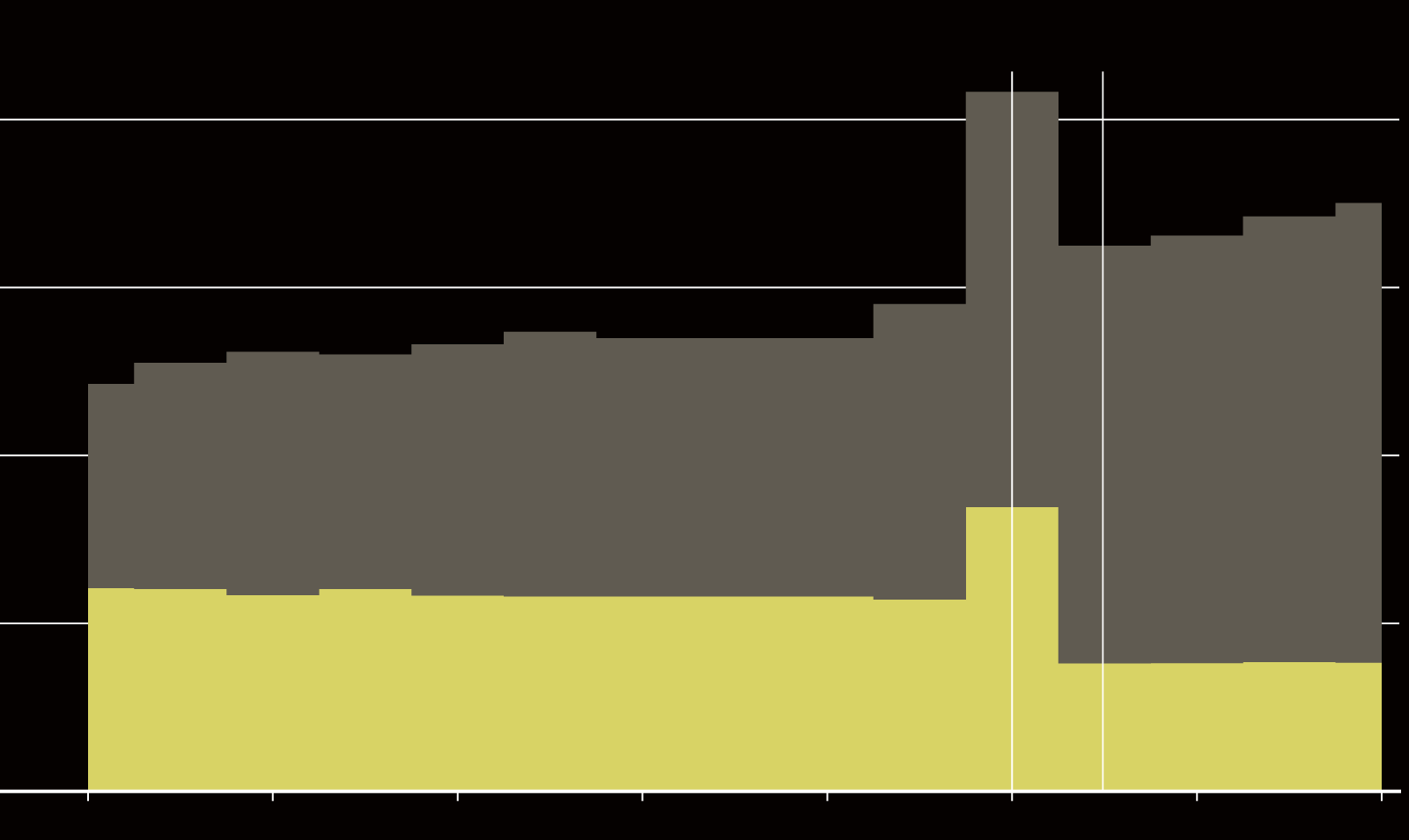
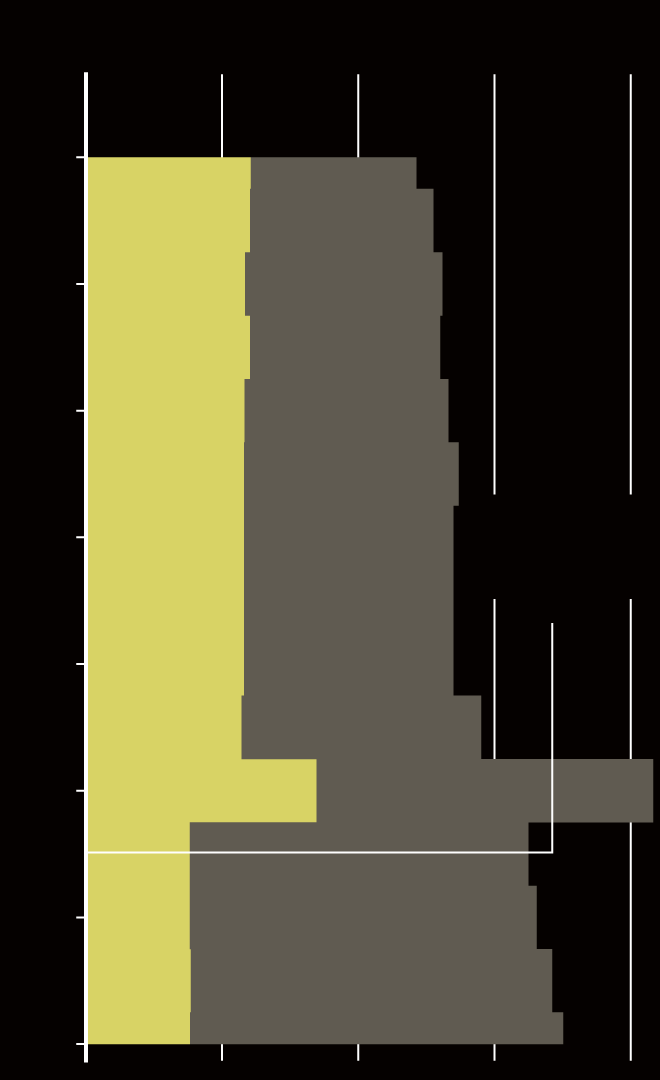
By end-2024, the latest period for which data is available, oil
tankers across the country have a storage capacity of about 7 billion
liters of oil. This capacity covers storage for both liquid petroleum
and cooking gas or LPG.
That seemed like a lot, but in reality, oil companies are only
mandated to maintain between 15-30 day minimum inventory at any given
time.
When the war broke out, not only did the government ask private
companies to ensure their supplies are stable, it also took the
unusual step to import oil through the state-run Philippine National
Oil Company (PNOC). Those imports further stretched buffer oil
supplies to an average of 54 days as of April 24. The figure does not
cover the Philippines' entire oil supply, rather the excess inventory
it has should new shipments fail to come in.
Philippines' oil storage capacity has slowly recovered in recent
years...
Shell refinery stops operations
Oil stored in other oil facilities
Oil from local refineries
Oil stored in other oil facilities
Oil from local refineries
Shell refinery stops
operations
Source: Department of Energy
By law, the processing and selling of oil to reach consumers is a
private business in the Philippines. That means anything needed to buy
and sell oil between producers to consumers are taken care of by
companies like Shell Pilipinas Corp. or Petron Corp. Hence, nearly all
of the 158 oil storage facilities across the country in 2024 were also
privately operated.
PNOC owns a limited number of storage facilities, but it is unclear if
the recently purchased oil is in fact housed in government facilities
or in rented private spaces just as PNOC has mulled in the past. PNOC
has purchased about 178 million liters of oil in four tranches since
March. The energy department has not responded to requests for
comment.
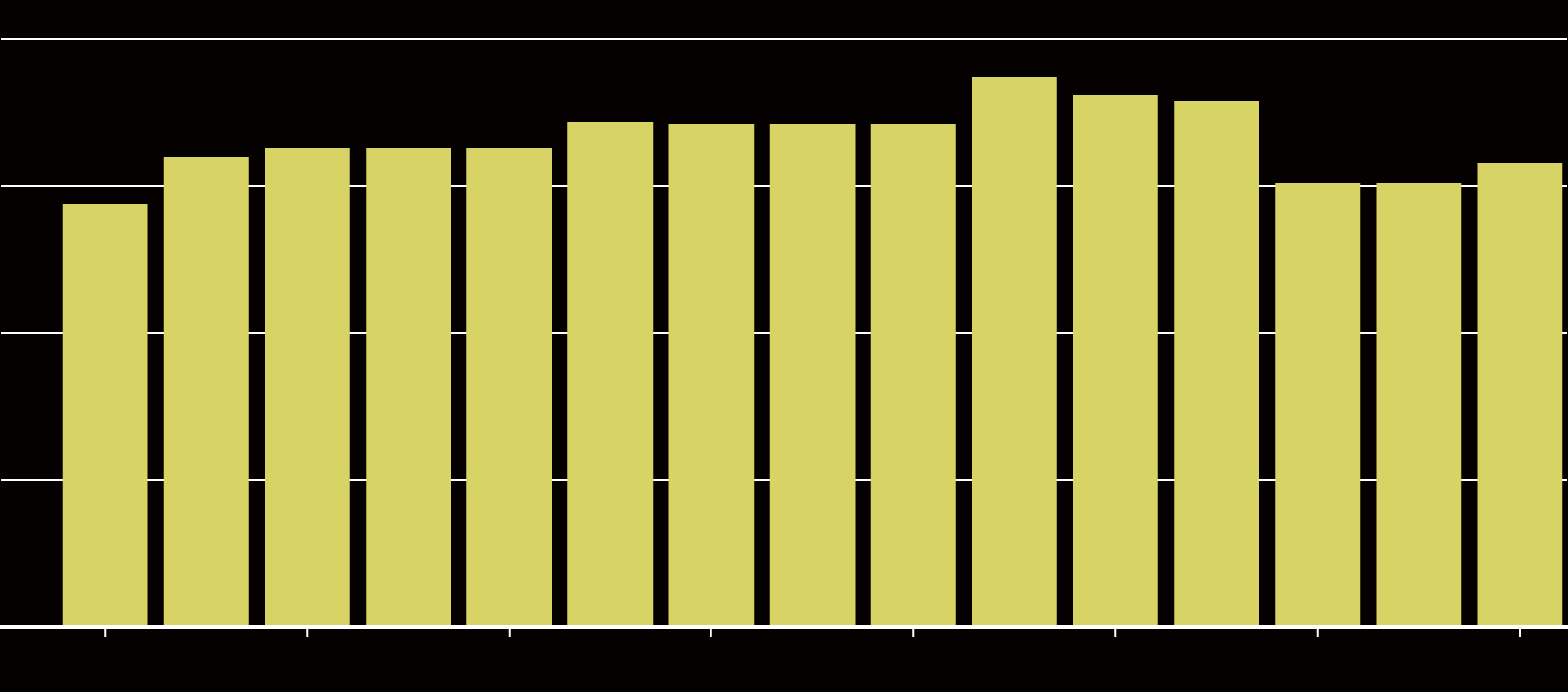
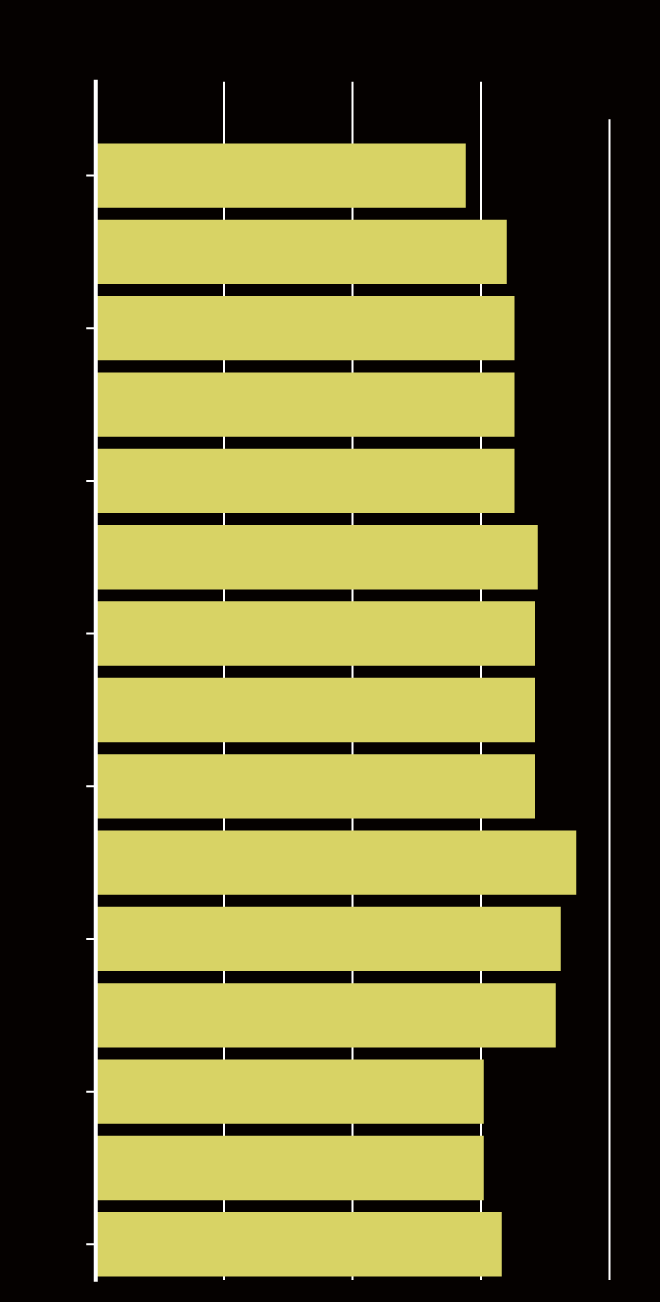
...even as the number of oil storage has dropped
Oil storage facilities inched up in 2024 after hitting a 14-year
low in 2023.
Despite a recent uptick in 2024, the number of oil storage facilities
remained below any point after 2010 after four years of decline,
energy data showed.
Oil storage facilities can be costly to build. For instance, a small
depot capable of storing up to 300 million liters of oil would cost
about $50-80 billion to build, said Dexter Pajarillo, chief of
research development and policy utilization at the Philippine Energy
Research and Policy Institute. Larger ones can cost up to 10 times
more.
Storage can be so expensive that even big oil companies such as Shell
Pilipinas and Petron typically share tankers and alternate on using
them, a
2021 study
by the Philippine Competition Commission showed.
Storing oil can be pricey
Estimated size of oil storage facilities and their costs

300 million- 1 billion liters

300 million- 1 billion liters
Source: Philippine Energy Research and Policy Institute
Permitting is another issue. Actual construction of tankers can take
time to complete, while securing government clearances can likewise
delay starting the project. Among the required permits is an
environmental clearance certificate (ECC) which signifies that the
project will not result in environmental damage in the area where it
will be built. From 2015 to 2025, only 10 oil infrastructure
projects, including depots, terminals and other facilities, were
issued ECCs, data showed.
"There is also, of course, a constrain coming from 'not in my
backyard' sentiment, which is almost present in all energy projects.
Social acceptability is an issue," Pajarillo said.
Apart from environmental risks, it is also common for oil
infrastructure to pose risks to public health. In 2014, the Supreme
Court shut down the infamous Pandacan oil depot after it was found to
be a "serious threat to life, security and public safety." The depot,
which had a capacity of 330 million liters, used to supply over a
third of oil in Metro Manila before the landmark ruling dismantled the
facility.
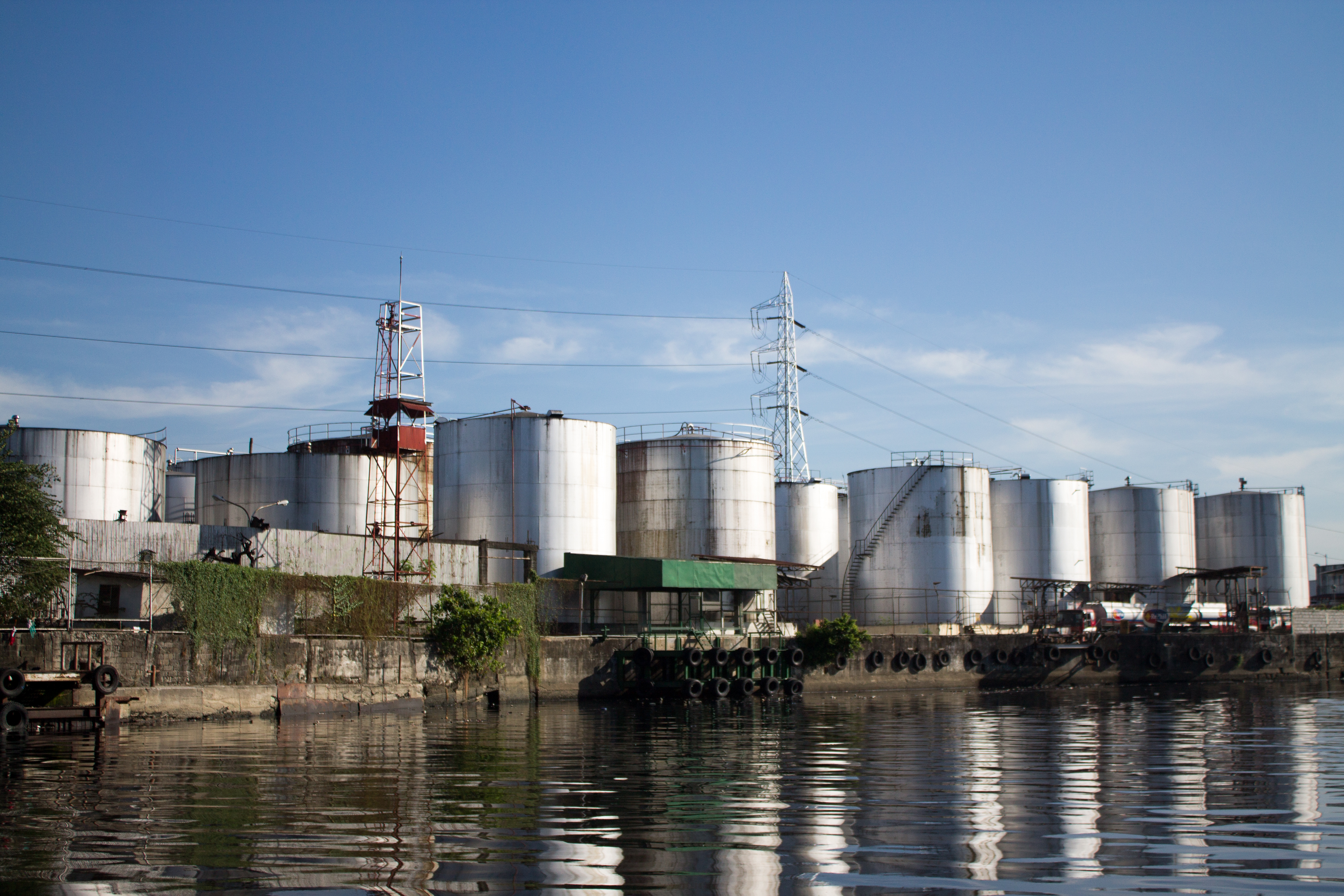
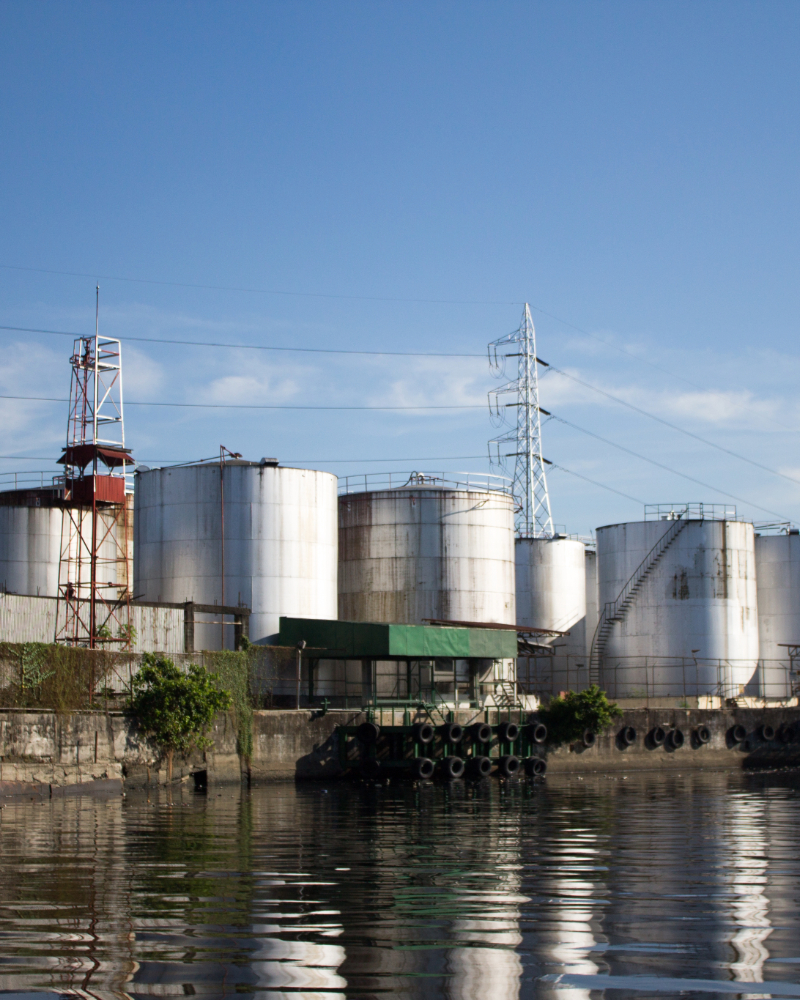
A photo of oil tankers located in the old Pandacan oil depot in
Manila.
It took months for oil firms in Pandacan to find suitable relocation
sites. Finding land can be another challenge for oil storage. Existing
oil facilities are ideally located near bodies of water for ease of
transit and delivery across the archipelago, Pajarillo said.
The country's biggest oil import storage facility, the Philippine
Coastal and Storage Corp., is located in Subic Bay in Zambales. It
spans 160 hectares and is capable of handling 1.02 billion liters of
fuel as of 2024, company records showed. About 94% of that capacity
was being utilized at the time. Meanwhile, Petron's refinery spans
about 238 hectares and can process nearly 2.9 million liters of oil a
day.
Oil storage facilities occupy large swaths of land
Land area of select oil facilities, in hectares

Processes around 180,000 barrels of oil a day
Philippine Coastal and Storage Corp.

Philippine Coastal and Storage Corp.
Similar challenges have hounded plans by the government to build an
emergency oil stockpile. Under the Duterte administration in 2019, the
Philippines explored plans to establish an oil reserve similar to the
strategic petroleum reserve in the U.S. that will ensure stable fuel
supplies during emergencies and keep oil prices in check.
In a
presentation
to the Senate last month, Petron said an oil reserve containing crude
oil, which still requires processing before it can be used, would
require an investment between P58-P104 billion. However, that price
estimate was contingent on a global oil price of $60 a barrel. Oil
prices have surged to past $140 a barrel at one point due to the Iran
war.
What does it take to have a crude oil reserve?

Estimated investment required
Note: Estimates based on a global oil price of $60 a barrel.
Source: Petron Corp.
PNOC was tasked to study the plan for a strategic oil reserves before
the Marcos administration shelved it in 2023. At the time,
Raphael Lotilla, former energy secretary, said the government simply does not have
enough land to build the reserves in. "Unfortunately our onshore areas
are not designed for that. So if we have to build storage facilities,
can you imagine the amounts we will be investing?” he said at the
time.
Despite this, lawmakers have
filed bills in Congress
seeking to establish a national oil stockpile. Apart from the
Philippines, Thailand, Cambodia, Vietnam and Laos have been studying
the feasibility of building strategic oil reserves to cushion against
future oil market shocks.
Prinz Magtulis
Sources
Department of Energy, Department of Environment and Natural
Resources, Philippine Competition Commission, Philippine Energy
Research and Policy Institute, World Bank, news reports
Copyright 2026 - The
Data Dictionary
Project