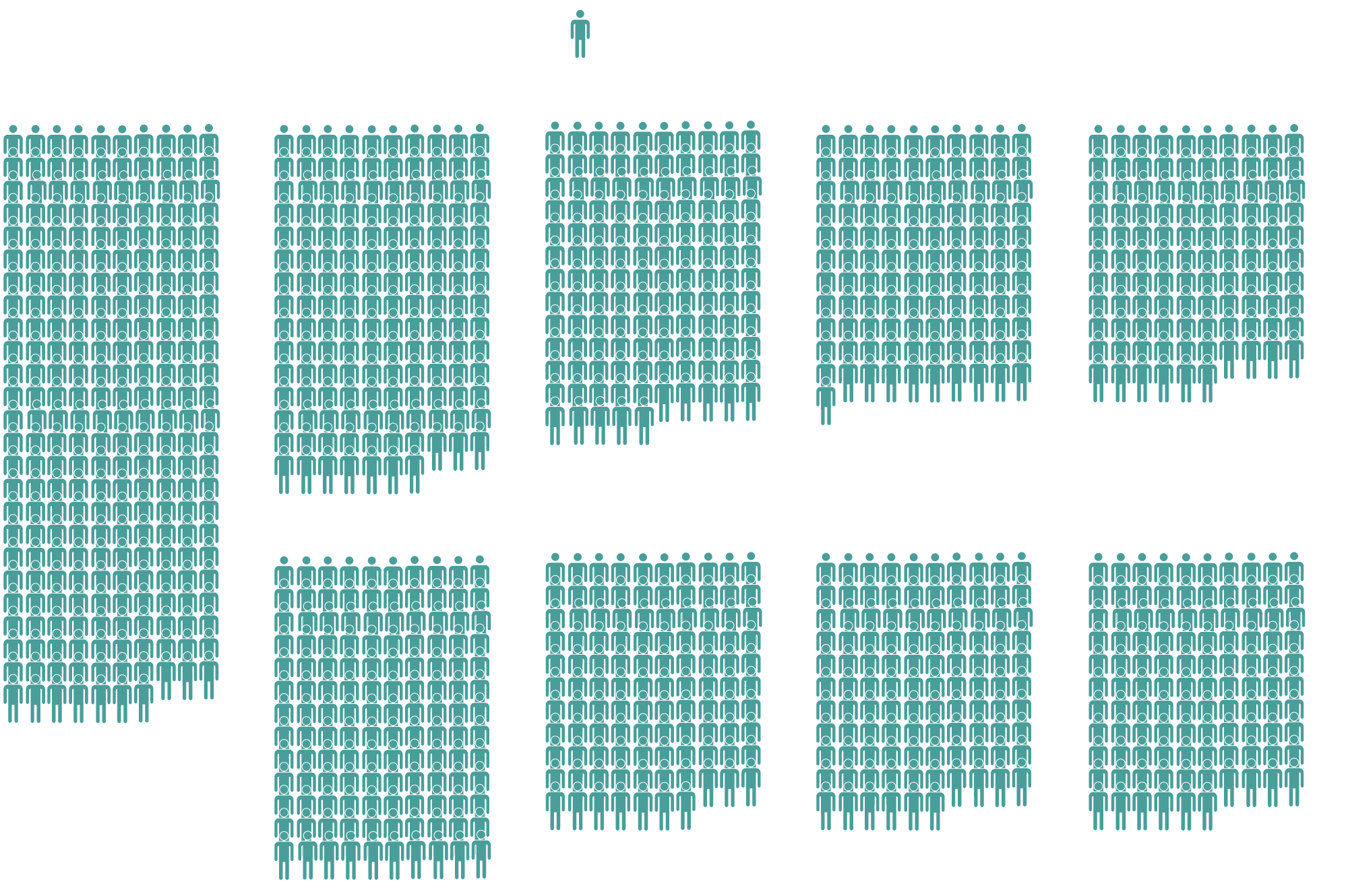
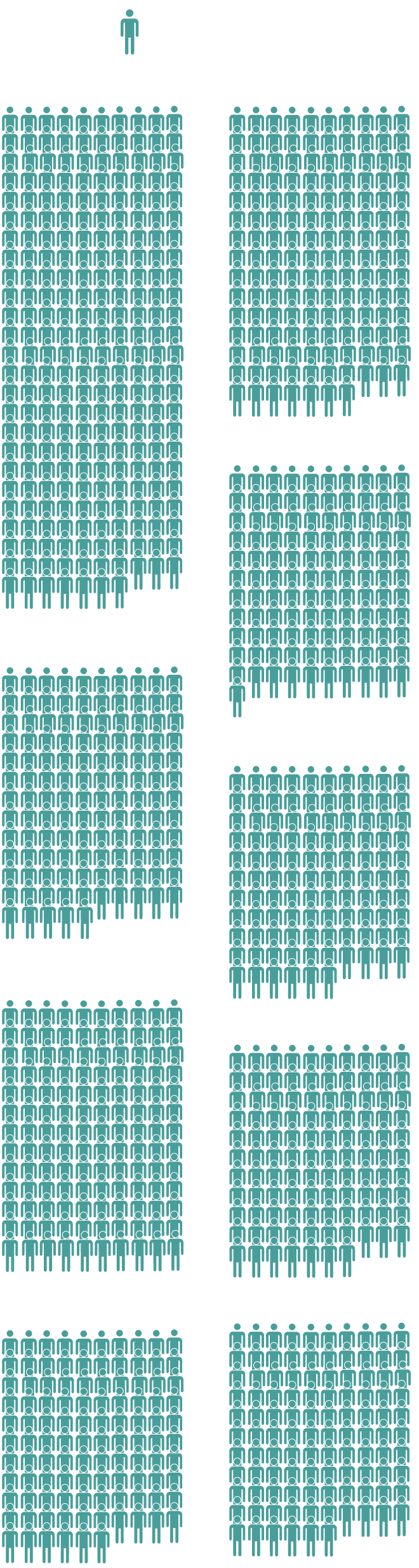
In a simple bar chart, this is how 183,000 passengers compare.
And that number is just the daily average. Robert Siy, a transport
economist and part of the Move As One Coalition, a commuter group
pushing for more funding for the EDSA busway, said the busway can be
expanded to cover as many as 2.5 million passengers everyday.
To put that into context, busway ridership peaked at about 400,000 a
day some time in late 2022, according to data from the Transportation department. For
all of 2025, busway ridership grew nearly 6% year-on-year to 66.7
million. It was down about a tenth from previous year for the first six months of 2026.
Funding was not the first hurdle the EDSA busway has faced. In
February 2025, the Metropolitan Manila Development Authority (MMDA),
which coordinates traffic regulations in Metro Manila, floated the
idea of phasing out the busway to remove its dedicated EDSA lane and
open them up to other vehicles.
At the time,
MMDA Chairman Romando Artes
said the Metro Rail Transit -3 (MRT-3), which runs parallel with the
busway in most stations, could instead accommodate busway passengers
after its rehabilitation finished. Repairs have completed, but the
phase-out plan has since been dropped.
Siy reiterated that "redundancy" in public transport, which in this
case means having both the EDSA busway and the MRT-3, is good and
benefits passengers, especially with "occasional breakdowns of the
MRT-3."
"EDSA busway adds to the public transport capacity on EDSA. Without
the EDSA busway, queues and waiting would be much, much longer," he
said.
The
28-kilometer busway
has 26 stations running from Monumento in Caloocan in the north to the
Paranaque Integrated Terminal Exchange in the south and back. The
southbound route has one more station than the northbound route while
some stations are only served in a single direction.
On weekdays, Monumento in Caloocan and Roosevelt in Quezon City saw
the largest number of passengers between Jan. 2025 and June 2026,
government data showed. Interestingly, these stations also house the
terminal stations for another rail system, the Light Rail Transit-1
(LRT-1).
Average weekday ridership in the busway between Jan. 2025 and June 2026
According to the EDSA busway website, its route connects to 10 of the
13 MRT-3 stations. This means passengers are in close proximity to
those rail stations when disembarking from the busway, and vice-versa.
Such convenience, Siy said, allows passengers to easily navigate
between these modes of transport when commuting.
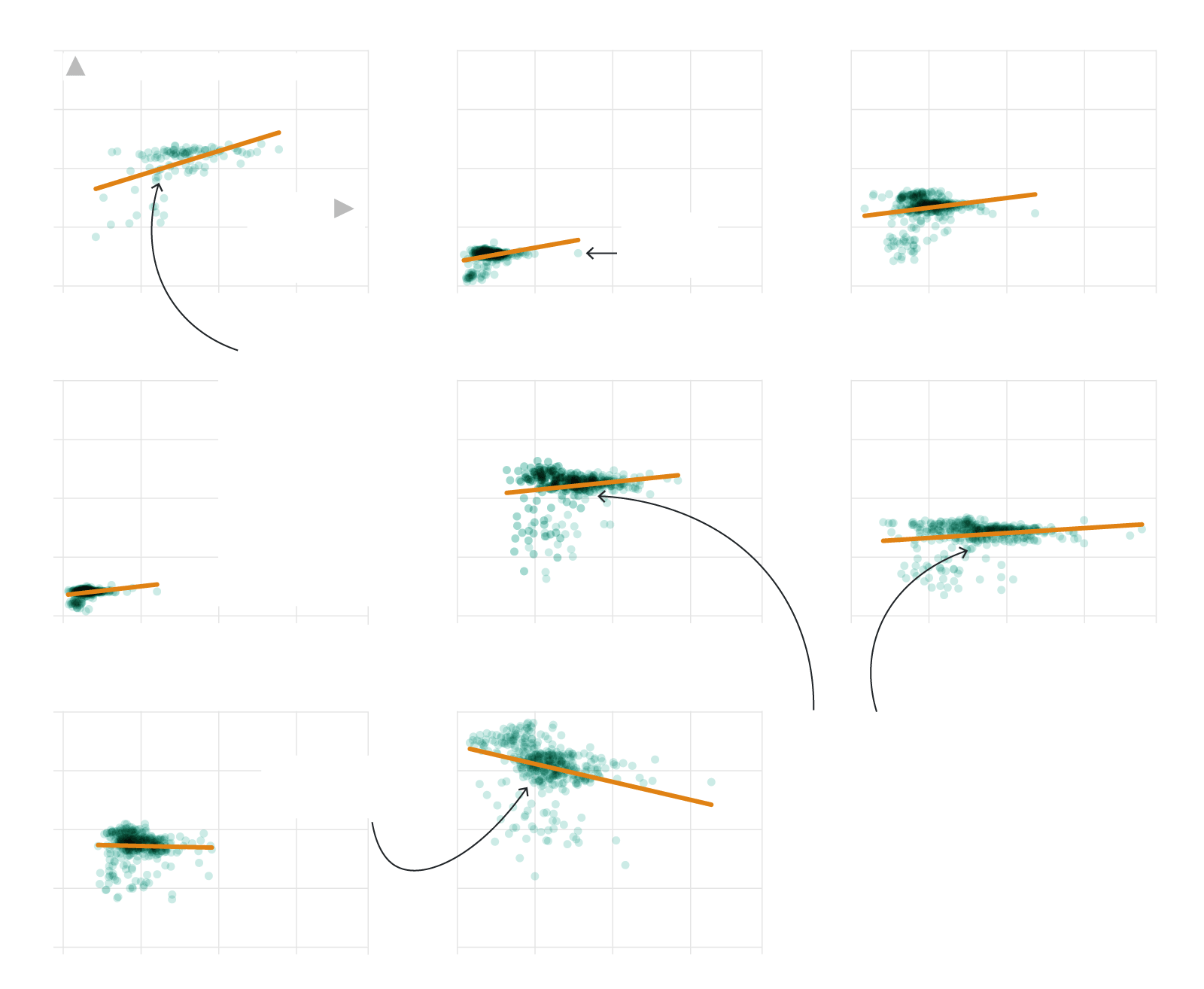
But in most cases, a Data Dictionary analysis showed no clear
relationship between taking the busway and the MRT-3 during weekdays.
In short, taking one mode of transportation does not determine riding
the other, or not riding either of them. Such relationship can only be
seen, albeit very weak, in terminal stations like Taft Avenue.
For Siy, this shows that demand for reliable public transportation
continues to outstrip supply and that both the busway and the MRT-3
co-exist to try to meet that demand.
EDSA busway and MRT-3 equally meet demand for public transport
Weekday ridership from April 2024 to June 2026
Ayala station
showed minimal
linear relationship,
indicating that a rise
in busway ridership
tends to increase
MRT-3 ridership as
well...
Concentrated number of
passengers for most places
where there are both an
MRT-3 and EDSA busway
station suggest that riding
either of the two does not
influence the other.
...while Taft’s is the
opposite.

Ayala showed minimal
linear relationship,
indicating that a rise
in busway ridership
tends to increase
MRT-3 ridership as
well...
Suggests
that riding
either of the
two does not
influence the
other.
Inverse relationship
in Taft.
Note: Busway data for Ayala station (One Ayala) only starts from
Aug. 2025.
"Some want to economize and go for the cheapest fare, so they prefer
MRT-3, no matter what the inconvenience or discomfort. The Busway
costs more and usually requires a much longer walk, but some are
willing to endure these disadvantages because they are rewarded with a
seated, more comfortable ride," Siy explained.
"So the demand could be split between these two groups. MRT-3 and
Busway serve different purposes for different groups," he added.
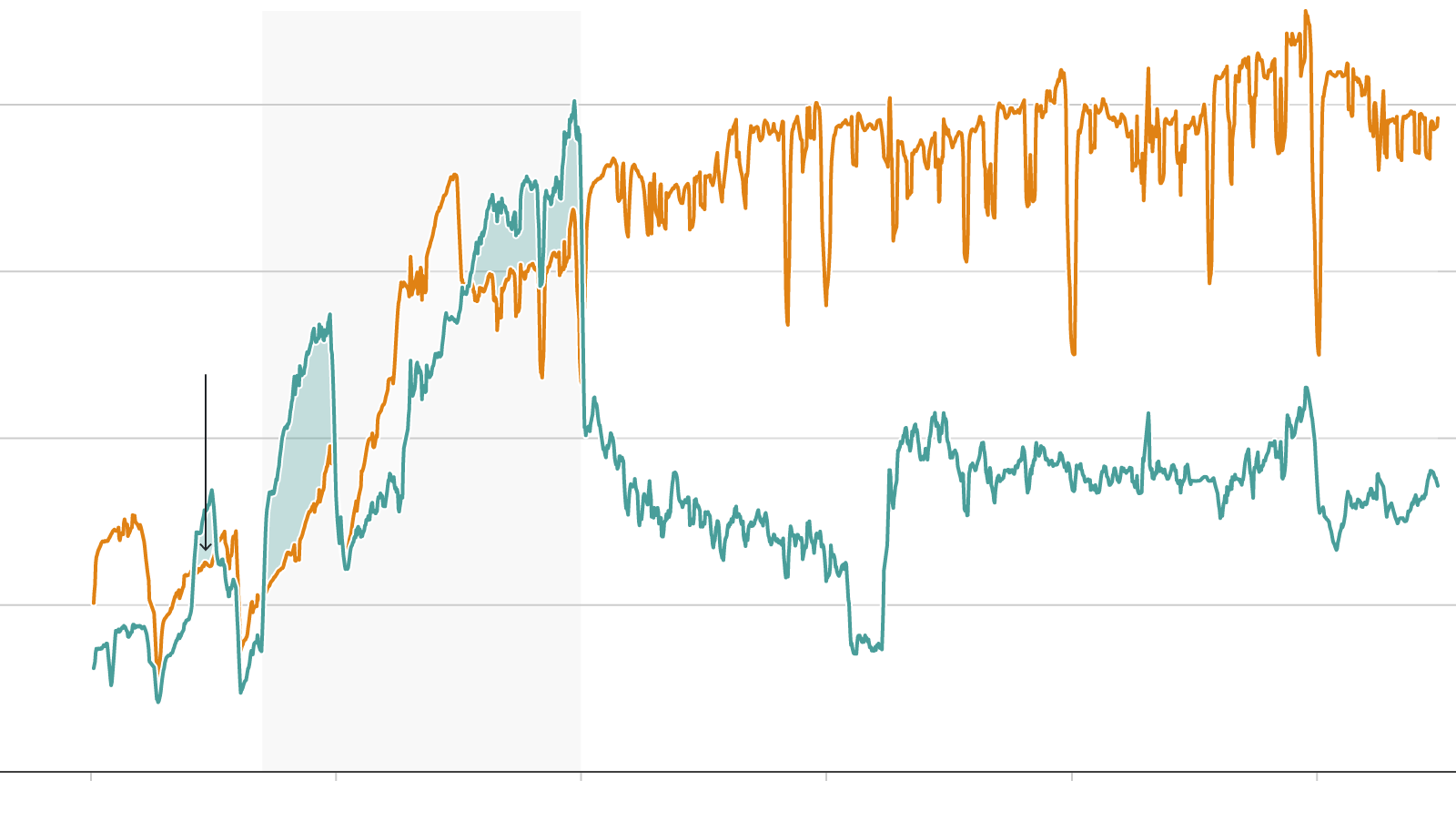
Incentives matter, too. From late 2021 to 2023, when the government
offered free busway rides, busway ridership exceeded that of the
MRT-3. Almost immediately after free rides were discontinued, busway
ridership fell and has continued to hover at about 40% of MRT-3
ridership, data showed.
At the same time, the national government started offering discounted
MRT-3 rides last March to cushion the impact of surging oil prices on
commuter fares.
EDSA busway ridership fell after free rides ended
Rolling seven-day average ridership
EDSA Carousel free bus rides
Busway
ridership
exceeds
MRT-3
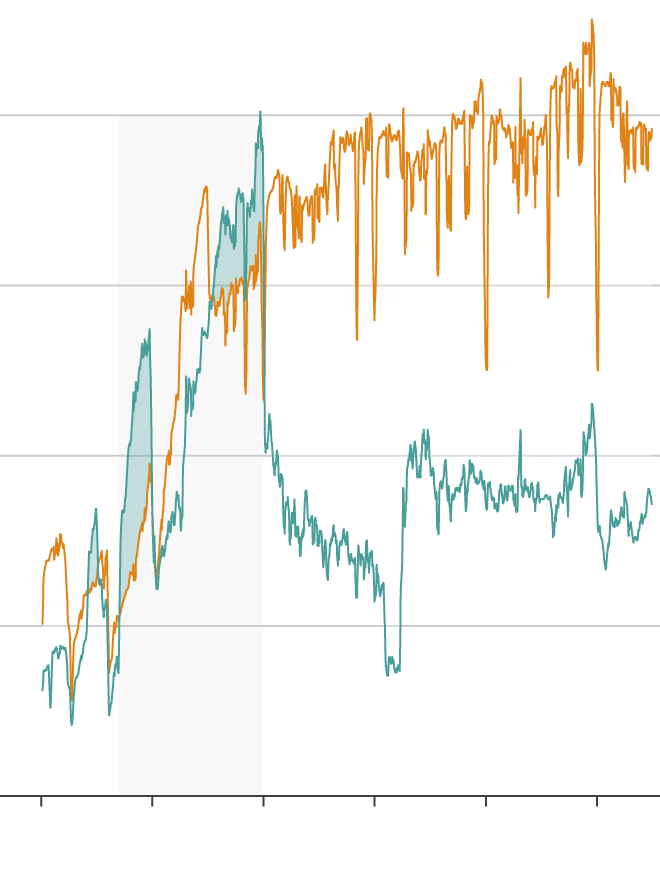
EDSA Carousel free bus rides
"The busway can definitely decongest MRT3 but the government needs to
spend to expand the capacity of the busway and enable it to deliver a
high quality of service--something which we call 'direct service,'"
Siy said.
"A passenger in Alabang or in Bocaue should be able to get on a Busway
bus and get off in Cubao, Ortigas, BGC [Bonifacio Global City] or
Ayala Avenue, without transfers," Siy said.
Sources
Department of Transportation, Move as One Coalition
Copyright 2026 - The
Data Dictionary
Project